









Introduction: The Rise of Remote Work for Young Professionals
Remote work has emerged as a significant trend in the modern employment landscape, particularly among young professionals, including a substantial number of women. The COVID-19 pandemic accelerated this shift, prompting numerous organizations to adapt to remote work models. This transformation has encouraged more individuals, especially women, to seek job opportunities that offer the flexibility to manage their personal and professional responsibilities concurrently.
The benefits associated with working from home are multifaceted. For many young women professionals, remote work provides an environment conducive to improved work-life balance. The elimination of daily commutes permits more time for family, personal projects, and self-care. Additionally, the opportunity to work in a personalized space can enhance productivity and creativity, allowing for a unique work environment that suits individual preferences.
However, the rise of remote work is not without its challenges. While some may thrive in a home office, others may find it difficult to establish boundaries between their work and personal lives. This can lead to issues such as increased stress levels, decreased physical activity, and potential feelings of isolation. Furthermore, the absence of face-to-face interactions with colleagues might diminish professional relationships, which can adversely affect team cohesion and support systems.
As remote work continues to shape the employment landscape, it is essential for young women professionals to navigate these benefits and pitfalls mindfully. Understanding how to maintain healthy practices while working from home is crucial for ensuring both mental and physical well-being. In the following sections, this blog post will provide insights and strategies to help young professionals foster a balance between achieving career goals and preserving life quality.
Creating a Designated Workspace
As the modern work landscape shifts towards remote options, establishing a dedicated workspace at home has become essential, particularly for young women professionals. A designated workspace fosters a structured environment that minimizes distractions, subsequently enhancing productivity and supporting mental well-being. By carving out a specific area exclusively for work, individuals can delineate personal and professional aspects of their lives more effectively.
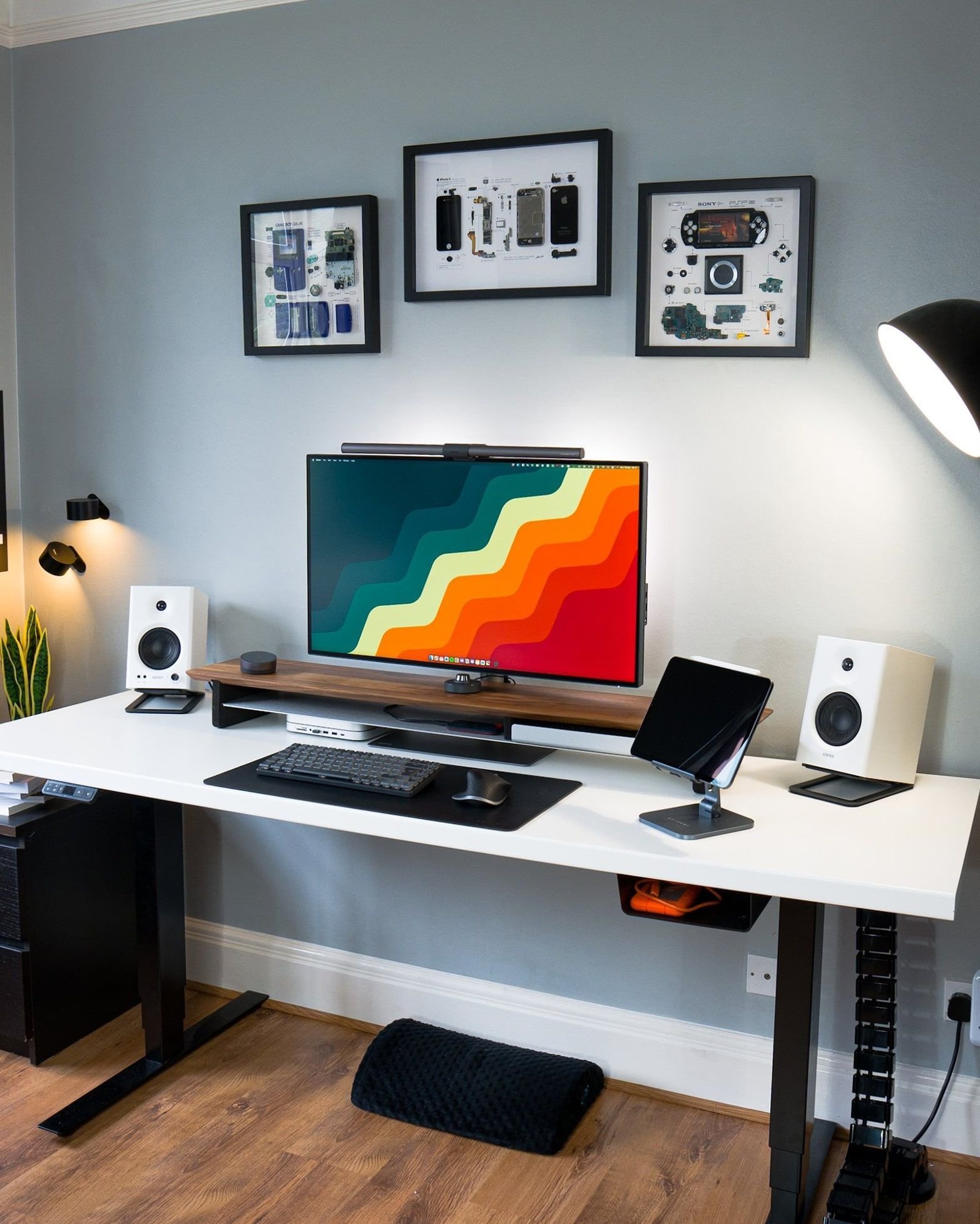
When setting up a workspace, ensuring ergonomic comfort is crucial. Begin by selecting a comfortable chair that provides adequate back support and is adjustable to accommodate various seating preferences. A desk at an appropriate height should complement the chair, allowing for a neutral wrist position while typing. Ensuring your screen is at eye level helps to maintain good posture and reduces strain during extended work hours.
Organizing the workspace is another critical aspect that contributes to efficiency. Keep only the items necessary for your work within arm’s reach, such as stationery, files, or digital devices. Utilizing organizers can declutter your area, creating a tidy and conducive environment for creativity. Digital organization also plays a vital role; consider using online tools and apps to keep your tasks and schedules systematically arranged.
Personalization of the workspace enriches the atmosphere, making it a more inviting place to spend time. Including personal items, such as photos or plants, can provide comfort and motivation. Care must be taken to balance personalization without overwhelming the space with distractions. Enhancing your environment with soft lighting and minimal noise can create a calming backdrop, ultimately contributing to a more productive day.
In summary, a well-defined workspace is instrumental in promoting both productivity and overall well-being in the home environment. By focusing on ergonomic setup, organization, and personalization, young women professionals can cultivate a space that fosters efficiency and supports their professional endeavors.
Establishing a Healthy Routine
Creating a daily routine while working from home is essential for maintaining a productive and balanced lifestyle. For young women professionals, it is increasingly important to develop a structure that encompasses not only work responsibilities but also personal time and self-care. Establishing a healthy routine involves setting specific start and end times for the workday, which helps to demarcate professional obligations from personal commitments.
One effective approach is to create morning rituals that prepare the mind and body for the day ahead. This may include activities such as meditation, stretching, or enjoying a nutritious breakfast. These practices can enhance focus and energy levels, allowing for greater efficiency during work hours. Moreover, it is beneficial to schedule short breaks throughout the day. These breaks can be used for quick physical activity, hydration, or simply stepping away from the screen, which can prevent burnout and foster creativity.
In addition to structured work hours and breaks, incorporating specific rituals to signal the beginning and end of the workday can be advantageous. For instance, assigning a dedicated workspace can create a physical boundary between work and home life. Conversely, at the end of the workday, transitioning to a personal activity, such as a walk or a wellness practice, can signal the conclusion of professional tasks. This practice not only helps in maintaining mental clarity but also reinforces the importance of work-life balance.
Consistency is key when developing this routine. By following a daily schedule, young women professionals can improve their time management skills and create a sense of stability amidst the potential chaos of remote work. A balanced routine not only enhances productivity but also significantly contributes to overall well-being, making it an essential component of successful remote work life.
Physical Wellness: Staying Active at Home
Working from home has become a common practice for many young women professionals. While it offers flexibility, it can also lead to a sedentary lifestyle if one is not careful. Physical activity is crucial for maintaining both physical and mental health, especially in a home setting where opportunities for movement may be limited.
Incorporating easy home workouts into daily routines is essential for enhancing physical wellness. Simple exercises such as bodyweight squats, push-ups, and lunges can be done without any special equipment and can significantly improve strength and endurance. Quick, high-intensity interval training (HIIT) is another effective method that can be completed in a short amount of time, making it ideal for busy schedules. Additionally, yoga and pilates are excellent low-impact options that promote flexibility and relaxation, helping to mitigate stress.
Stretching is equally important, as it helps alleviate tension that may build up during long hours of sitting. Performing stretches for the back, neck, and shoulders can alleviate discomfort while also improving overall posture. Taking regular breaks to stretch not only revitalizes the body but also enhances focus and productivity.
Moreover, integrating physical movement into daily activities can be remarkably beneficial. Simple acts such as taking a walk during breaks, opting for stairs instead of elevators, or even doing household chores can contribute positively to physical wellness. These small bursts of activity throughout the day can refresh and energize, boosting motivation and mental clarity.
In conclusion, prioritizing physical wellness by staying active at home is vital for young women professionals. By incorporating manageable home workouts, stretching, and simple movements into their daily routines, they can enjoy the myriad benefits of physical activity while simultaneously managing their remote work responsibilities.
Nourishing Your Body: Healthy Eating Habits
In the context of remote work, the importance of maintaining healthy eating habits cannot be overstated, especially for young women professionals. A well-balanced diet plays a critical role in sustaining energy levels, enhancing focus, and improving overall productivity throughout the workday. One effective approach to achieving nutritious meals is meal prepping, which can save time during busy weeks and ensure that healthy options are readily available.
Meal prepping involves preparing food in advance, often on weekends, allowing individuals to portion out meals for the week ahead. Focus on incorporating a variety of wholesome ingredients that provide essential nutrients. Key components to include in your meals are lean proteins, whole grains, healthy fats, and plenty of fruits and vegetables. These foods not only support bodily functions but also help in regulating energy levels, vital for maintaining concentration during long hours at the desk.
Additionally, snacking wisely plays a significant role in nurturing your body while working from home. Instead of reaching for processed snacks that may lead to an energy crash, consider wholesome options such as nuts, yogurt, or fresh fruits. These snacks can provide the necessary fuel without the added sugars that often lead to sluggishness.
For those seeking quick recipe ideas, consider preparing a healthy quinoa salad with mixed vegetables and a lemon vinaigrette, or a smoothie packed with spinach, banana, and protein powder. Both options are nutritious and can be made in a short time, while also being easily transportable. Emphasizing nutritious meals and snacks is an essential strategy for young women professionals looking to enhance their productivity and overall well-being while navigating the challenges of remote work.
Mental Health Matters: Managing Stress and Anxiety
In the modern work environment, particularly for young women professionals working remotely, managing mental health has become an essential aspect of daily life. Remote work can often blur the lines between professional and personal spaces, leading to increased levels of stress and anxiety. The isolation of working from home can exacerbate these feelings, creating a cycle that is challenging to break. Recognizing the mental health challenges faced in this context is the first step toward effective management.
One effective strategy to combat stress is establishing a structured routine. A consistent work schedule fosters a sense of normality and can help avoid feelings of overwhelm. Allocating specific time slots for work tasks, breaks, and relaxation can enhance productivity and mental well-being. Additionally, creating a designated workspace helps in delineating work-life boundaries, further reducing anxiety associated with constant connectivity.
Furthermore, maintaining social connections plays a vital role in supporting mental health. Regular check-ins with colleagues, friends, and family members can greatly mitigate feelings of isolation. Virtual coffee breaks or team-building activities can foster a sense of camaraderie, which is crucial during remote work periods. When stressors become overwhelming, it is important to seek professional help if necessary. Mental health professionals can provide invaluable support and coping strategies tailored to individual needs.
Incorporating mindfulness practices into daily routines can also serve as a beneficial tool for managing anxiety. Techniques such as meditation, deep breathing exercises, and journaling promote relaxation and self-reflection. Engaging in physical activities, whether through home workouts or leisure activities, is another method to lower stress levels and enhance emotional health. Self-care should never be overlooked; setting aside time for personal interests or hobbies can rejuvenate the mind and reinforce resilience.
Setting Boundaries: Work-Life Balance
Creating a clear distinction between work and personal life is essential for maintaining a healthy work-life balance, especially for young women professionals working from home. The blending of home and professional environments can often lead to increased stress and burnout if boundaries are not established. One effective strategy is to define specific work hours, communicating these clearly to both colleagues and family members. For instance, you may choose to work from 9 AM to 5 PM and inform your team to avoid scheduling meetings outside of these hours.
Moreover, it is vital to communicate your availability with your family or housemates. Setting expectations on when you are working can help minimize interruptions and reinforce your commitment to your professional responsibilities. Consider displaying a sign or using a designated workspace to signal when you are not to be disturbed. This visual cue serves both as a reminder for yourself and a signal to others that it is work time.
Another crucial component of setting boundaries is the practice of unplugging after work hours. Engaging in a routine that actively separates work from personal life is essential to prevent burnout. This could involve shutting down your computer at the end of the workday and engaging in leisure activities that help you unwind. Whether it’s taking a walk, reading a book, or practicing yoga, these activities not only provide relaxation but also enhance your mental well-being.
In summary, defining clear working hours, communicating with colleagues and family, and establishing a routine for disconnecting are all strategies that can help young women professionals foster a healthier work-life balance while remaining productive in their careers. Implementing these practices is key to sustaining both mental health and professional success.
Incorporating Social Interaction into Daily Life
In today’s increasingly remote work environment, maintaining social interactions is crucial for mental well-being, particularly for young women professionals who may face unique challenges. Engaging with peers can foster a sense of belonging and alleviate feelings of isolation that often accompany working from home. To achieve this, it is important to adopt strategies that facilitate regular communication and bonding amidst a busy work schedule.
One effective approach is to organize virtual lunch breaks. Scheduling a 30-minute lunch with colleagues through video conferencing platforms allows for natural conversations, mimicking the casual interactions of an office setting. This time can be dedicated not only to discussing work-related topics but also to sharing personal experiences, thus strengthening interpersonal relationships.
Additionally, coffee chats can be an invaluable way to connect. Setting up informal coffee breaks via video calls can create an inviting atmosphere, encouraging openness among team members. This practice enables individuals to reconnect with colleagues on a personal level, enhancing camaraderie and mutual support.
Another option to consider is joining group fitness sessions online. Many organizations now offer virtual workout classes, which not only promote physical health but also foster teamwork and bonding through shared activities. Participating together fosters motivation and accountability, making fitness a fun and collective endeavor.
Moreover, exploring creative ways to socialize, such as online game nights or themed virtual events can further enhance connections. These activities not only provide a break from work but also facilitate deeper relationships through shared experiences. In sum, incorporating social interaction into daily life while working from home is essential. By implementing diverse strategies, young women professionals can maintain their mental health and create a supportive network, crucial for thriving in a virtual workspace.
Conclusion: Sustaining Healthy Practices in the Long Term
In navigating the unique challenges presented by remote work, it is paramount for young women professionals to prioritize their health and well-being. The shift to a home-based work environment offers distinct advantages, such as flexibility and comfort, yet it can also lead to challenges like social isolation, physical inactivity, and difficulties in maintaining a work-life balance. Recognizing these challenges and actively working to implement healthy practices is essential for long-term success.
Throughout this guide, we have explored several key strategies to foster a healthier work-from-home experience. Establishing a structured daily routine, incorporating regular physical activity, and creating an ergonomically conducive workspace are foundational elements that can significantly enhance productivity and overall health. Additionally, taking intentional breaks and engaging in mindfulness practices can support mental well-being, helping to mitigate stress and maintain focus during challenging times.
Furthermore, cultivating connections with colleagues, while leveraging technology for networking and support, can alleviate feelings of isolation. By forming communities of support, young women can share experiences and strategies, fostering a culture of wellness within their professional spaces. Sustaining these healthy practices requires commitment and a proactive approach, adapting over time as needs and circumstances evolve.