










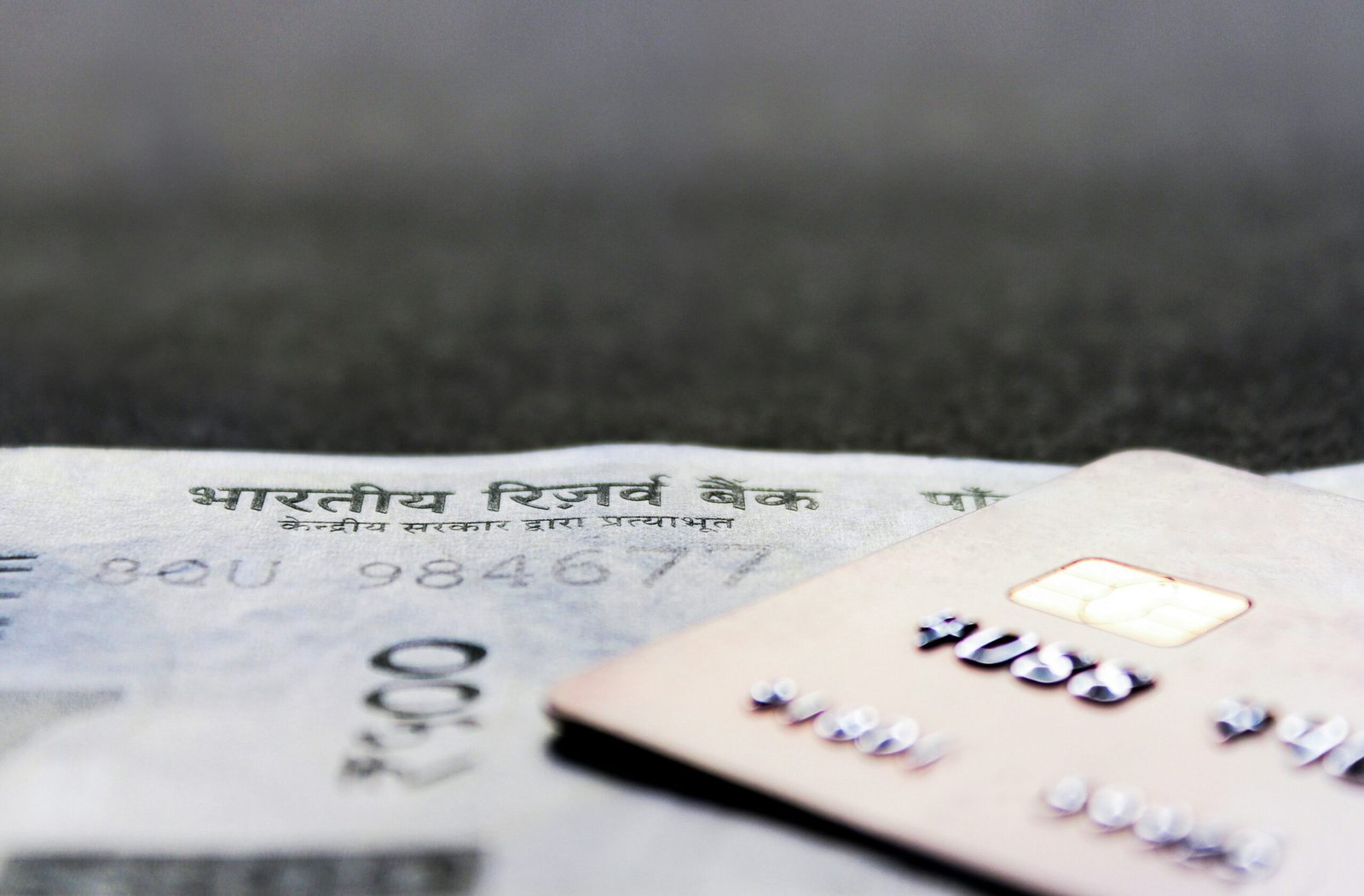
Introduction: Understanding the Financial Landscape for Young Professionals in India
In recent years, the financial landscape in India has evolved significantly, especially for young working professionals aged between 22 to 30 years. Entering the job market, these individuals often find themselves navigating a complex array of financial products and services. With average salaries ranging from ₹25,000 to ₹40,000, many young professionals face unique challenges and opportunities when it comes to managing their finances.
The increasing cost of living, coupled with educational loans and other financial obligations, can make budgeting quite challenging for this demographic. Hence, developing a robust financial discipline becomes crucial for not just immediate expense management, but also for long-term financial stability. This is where credit cards come into play. They serve as an essential financial tool that aids young professionals in managing their day-to-day expenses, while simultaneously building a solid credit history. A good credit history is vital for accessing loans and other financial products in the future, thereby enhancing financial independence.
Moreover, the responsible use of credit cards can offer several benefits, including cashback, reward points, and insurance features. For young professionals who are often looking to maximize their purchasing power, a well-chosen credit card can augment their budgetary constraints while providing necessary financial flexibility. Furthermore, many credit card issuers are increasingly tailoring their offers to appeal to this demographic, recognizing the potential long-term value of acquiring young consumers early in their financial journey.
Thus, understanding the financial landscape, along with the strategic use of credit cards, can empower young working professionals in India to make informed financial decisions. This guide aims to highlight the best credit card options available, focusing on features that specifically cater to the needs of this emerging workforce.
Why Choose the Right Credit Card?
Selecting the right credit card is an essential decision for young working professionals in India, as it can significantly impact both their financial management and lifestyle choices. A well-chosen credit card offers various rewards, cashback opportunities, and unique benefits that cater to the specific needs of young professionals. These advantages can effectively aid in budgeting, saving, and enhancing overall financial wellbeing.
Credit cards typically come with a plethora of features, including reward points for purchases, cashback options on specific categories like groceries or fuel, and additional perks such as travel benefits and insurance coverage. For young professionals who frequently travel or dine out, opting for a card that offers greater rewards in these categories can lead to tangible savings and an improved lifestyle.
Furthermore, managing personal finances is crucial for young professionals just starting their careers. By selecting a credit card that aligns with their spending habits and financial goals, individuals can optimize their expenses while building a positive credit history. Utilizing cashback rewards or effectively redeeming points for travel and shopping can lead to substantial financial advantages in the long run. However, it is equally important to be cautious of the associated risks, including high fees and interest rates. Choosing a credit card with features that do not align with an individual’s lifestyle or financial situation may lead to unnecessary expenses.
High annual fees, hidden charges, or unfavorable terms can result in debt accumulation rather than financial empowerment. Therefore, evaluating all aspects of a credit card, including its features, fees, and suitability for personal use, is vital to making an informed decision. In doing so, young professionals can harness the benefits of credit cards effectively while avoiding potential financial pitfalls.
Criteria for Selecting Credit Cards for Young Professionals
When it comes to selecting a credit card, young working professionals in India should consider several key factors that align with their financial needs and spending behaviors. One of the primary considerations is the annual fees associated with the card. Many credit cards come with varying fee structures; a low-cost card could save money in the long run if the spending aligns with its offerings. Additionally, it is essential to assess the interest rates on credit card balances, as higher rates can lead to increased financial burdens if balances are not paid in full each month.
Reward programs also play a crucial role in the selection of a suitable credit card. Young professionals often prefer cards that offer cashback, rewards points, or discounts on categories where they spend the most, such as dining, travel, or online shopping. Identifying cards that cater specifically to their lifestyle can enhance the value they receive from the card.
Access to credit limits is another important aspect to consider. Young professionals may need flexibility in spending, particularly if they are managing multiple expenses. It is advisable to select a credit card that provides a competitive credit limit that can be adjusted according to the user’s financial growth.
Moreover, many banks offer special promotional offers targeted at young professionals. These can include sign-up bonuses, no interest for an introductory period, or special discounts on popular services and products. Such offers can create significant value for young users and should certainly be evaluated as part of the selection criteria.
Ultimately, the best credit card for a young working professional in India is one that aligns with their spending habits and lifestyle, offering both financial benefits and convenience.
Top Credit Cards for Monthly Salaries of ₹25,000 to ₹40,000
For young working professionals in India earning between ₹25,000 and ₹40,000 a month, selecting the right credit card can significantly enhance financial flexibility. Here are some of the top credit card options tailored for this salary bracket, including their features and benefits.
1. HDFC EasyEMI Card
This card is ideal for those who frequently shop online and want the option to convert their purchases into easy EMIs. It offers complimentary insurance and cashback on selected transactions. The annual fee is typically around ₹500, but it may be waived off on meeting certain spending criteria. Eligibility is generally straightforward, requiring proof of income and a good credit score.
2. ICICI Instant Platinum Card
This card provides a multitude of offers on dining, shopping, and entertainment. Users can enjoy a joining bonus in the form of cashback, and the card offers no annual fees for the first year. Furthermore, there are options for low interest on outstanding balances, which is advantageous for new cardholders. Eligibility can be reached with a minimum income proof of ₹25,000.
3. Axis Bank Insta Easy Credit Card
This card is specifically designed for individuals with limited credit histories, making it perfect for young professionals. There are no annual fees, and it offers rewards points on various purchases. Cashback is also available on select categories, enhancing the overall user experience. There is a straightforward application process, requiring minimal documentation.
4. SBI SimplyCLICK Card
Targeted towards online shoppers, this card offers rewards for every online purchase made through partner stores. It comes with an annual fee of approximately ₹499, which can be waived upon meeting the spending limit in the first year. Additionally, it features complimentary subscription services for popular platforms, making it appealing to tech-savvy users. Eligibility criteria are quite flexible.
Choosing the right credit card is essential for optimizing expenses and maximizing rewards for young working professionals. The options listed above cater well to varied financial habits and preferences, ensuring informed choices can be made in the context of their salary range.
Comparative Analysis of Recommended Credit Cards
When selecting a credit card, young working professionals in India must consider various factors such as annual fees, interest rates, rewards programs, and customer service. Here, we provide a comparative analysis of some popular credit cards, using key criteria that are commonly important to this demographic.
One of the main considerations for a credit card user is the fee structure. Many credit cards available in India come with different annual fees, ranging from zero to several thousand rupees. For example, Card A has an annual fee of INR 499 but offers a robust rewards program, whereas Card B charges INR 999 but provides complimentary airport lounge access. Evaluating the benefits against the annual fee is essential in determining the best value.
Additionally, the rewards program varies significantly across different cards. Card C, for instance, offers 5% cashback on online purchases, which is appealing to professionals who frequently shop online. In contrast, Card D provides 2% cashback on all spendings but allows the user to redeem points for travel-related expenses, thereby attracting those who travel frequently for work.
To further aid this comparison, a table can be utilized to display the distinguishing features of each card side by side: annual fees, interest rates, reward rates, and additional perks. For instance, highlighting features such as “No foreign transaction fees” under Card E and “Concierge service included” under Card F allows young professionals to quickly assess which credit card aligns with their lifestyle requirements.
Customer service and support are also vital factors. Cards with efficient customer service can enhance the overall user experience, especially during times of financial emergencies or when users are unfamiliar with their card’s benefits. Choosing the right credit card involves weighing the outlined benefits and ensuring they match personal spending habits and future needs.
Understanding Credit Scores and Their Importance
A credit score is a numerical representation of an individual’s creditworthiness, typically ranging from 300 to 800. In India, credit scores are primarily calculated by credit bureaus like CIBIL, Experian, and Equifax. These scores are pivotal for young working professionals as they determine the eligibility for various financial products, including credit cards and loans. A strong credit score can lead to better interest rates, higher credit limits, and more favorable repayment terms.
Credit cards have a significant impact on an individual’s credit score. When used responsibly, they can contribute positively by demonstrating a history of managing debt, making timely payments, and maintaining an appropriate credit utilization ratio. On the other hand, irresponsible credit card usage, such as making late payments or maxing out credit limits, can adversely affect the score. Consequently, young professionals must be cognizant of how their credit card habits influence their financial reputation.
To maintain a good credit score, there are several best practices that young professionals should adopt. First, it is imperative to pay credit card bills in full and on time each month. This not only helps avoid late fees and high-interest charges but also positively impacts the credit score. Additionally, professionals should aim to keep their credit utilization ratio— the ratio of credit used to total credit available—below 30%. Timely payments on all credit obligations, including loans and bills, are crucial components of a healthy credit profile.
In summary, understanding and managing one’s credit score is essential for young working professionals. By utilizing credit cards responsibly and adhering to best practices for credit management, individuals can build a solid financial foundation that will serve them well into the future.
Maximizing Benefits: Tips for Using Your Credit Card Wisely
For young working professionals in India, leveraging a credit card effectively can yield significant financial benefits. The key is to understand how to utilize the features of your credit card to maximize rewards, avoid fees, and manage expenses prudently.
One of the most effective strategies is to actively engage with the rewards programs offered by your credit card provider. Many cards provide cashback, points for travel, or discounts on shopping. To capitalize on these opportunities, it is advisable to plan your purchases in advance, ensuring that you use your credit card for expenses that will earn the most rewards. For instance, if your credit card offers higher cashback on dining or grocery shopping, prioritize using it for such purchases. This allows you to accumulate points or cashback efficiently.
Another practical tip is to set reminders for payment due dates. Missing a payment can lead to late fees and impact your credit score adversely. Utilizing mobile applications or setting calendar alerts can help you stay on track with payment schedules. Additionally, consider automating your payments to ensure you never miss a deadline, thereby protecting your credit history.
Budgeting is also a crucial aspect of responsible credit card usage. Young professionals should take time to assess their income and outline their monthly expenses. By doing so, they can set spending limits for their credit card and avoid overspending. Utilizing budgeting apps that link to your credit card transactions can provide a clearer picture of your spending habits, facilitating better financial decisions.
In summary, effectively using your credit card involves maximizing rewards through strategic purchases, staying alert with payment schedules, and implementing strong budgeting practices. By following these tips, young professionals can ensure that they harness the full potential of their credit cards while maintaining financial health.
Common Mistakes to Avoid with Credit Cards
Credit cards can be a valuable financial tool for young working professionals in India, but they come with certain risks that must be managed effectively. One of the most common mistakes is overspending. It is easy to get carried away with the convenience of credit; however, it is crucial to remember that charges made on a credit card are not free money. Setting a strict budget and monitoring expenses can help prevent this pitfall. Regularly tracking spending against your financial plan ensures that you live within your means and prevents the accumulation of unnecessary debt.
Another significant mistake is missing payments. When credit card bills are not paid on time, it can lead to high interest charges and negatively impact your credit score. Young professionals should set up reminders to pay their bills or consider automated payments. Being disciplined in managing payment dates is essential for maintaining a healthy credit history. Late payments can also lead to additional fees, compounding the financial burden.
Failing to understand the terms and conditions of a credit card is an additional oversight that can lead to unexpected financial consequences. Young professionals should thoroughly read the terms associated with their credit card agreements, including interest rates, fees, rewards, and penalties. Awareness of these elements will facilitate informed decisions regarding card usage. Engaging with customer service for clarification on aspects that are unclear can provide useful insights.
In conclusion, avoiding overspending, consistently making payments on time, and understanding credit card terms are vital for young working professionals. By proactively managing these aspects, individuals can benefit maximally from their credit cards while steering clear of potential pitfalls that could derail their financial journey.
Conclusion
Choosing the right credit card is a pivotal decision for young working professionals in India. With a plethora of options available, it is essential for individuals to assess their financial habits, spending patterns, and lifestyle needs before selecting a credit card. A well-suited credit card can offer significant benefits, such as rewards, cashback, and promotional offers, making it easier to attain financial goals.
However, the importance of managing credit wisely cannot be overstated. Responsible usage of credit cards involves timely payments, keeping debts within manageable limits, and understanding the terms associated with one’s card. This careful approach not only aids in building a positive credit score but also enhances one’s financial reputation, which can yield benefits in future financial endeavors like securing loans or mortgages.
Young professionals must prioritize informed financial decisions, as doing so fosters better financial health. Knowledge about credit terms, interest rates, and features will empower individuals to make choices that align with their long-term objectives. Ultimately, by being proactive and discerning in credit management, young working professionals can not only navigate the complexities of financial landscapes but also seize opportunities that may significantly impact their future.
In essence, selecting the right credit card paired with prudent financial practices will enable young professionals in India to build a solid foundation for their financial journeys. Understanding the implications of credit usage and leveraging it towards positive growth can lead to enhanced monetary stability and a prosperous future.